
How do you tell whether someone is walking in integrity? Proverbs 19 begins with a poor man whose word can be trusted. By the end of the chapter, we’re listening to a witness whose words could cost an innocent person dearly. Between those two scenes are people we recognize from our own lives: a friend who disappears when money runs out, a child who needs correction, and a spouse who sees something we’ve overlooked.
These sayings belong to the collection introduced in Proverbs 10:1 as the proverbs of Solomon. Each can be read on its own, and several return to the same question from a different angle. Read each verse below in the World English Bible (WEB), followed by its commentary.
Proverbs 19:1 — Integrity is worth more than appearances
Better is the poor who walks in his integrity than he who is perverse in his lips and is a fool.
The opening verse asks us to reconsider how we measure a successful life. Poverty does not strip a person of moral dignity, and impressive speech cannot conceal a crooked heart from God. The contrast is between a poor person living honestly and a fool whose words are distorted. The verse does not identify every wealthy person as dishonest or every poor person as righteous. It tells us which quality deserves priority when outward circumstances and inward character point in different directions.
Imagine a business owner who discovers an error that benefited him financially. Correcting it will cost money, and the customer may never discover it. This hypothetical situation reveals the question behind the proverb: what is integrity worth when nobody is applauding? Wisdom calls us to choose truth even when dishonesty appears profitable. A smaller income with a clear conscience can be better than a larger one built on deception.
Proverbs 19:2 — Enthusiasm needs understanding
It isn’t good to have zeal without knowledge, nor to be hasty with one’s feet and miss the way.
Zeal can move us quickly while knowledge tells us whether we are moving in the right direction. The person who rushes ahead may miss the way precisely because he never paused to understand it. Strong feelings do not establish that a decision is wise.
This matters in ministry as much as in business or family life. We can share a dramatic claim about archaeology because it seems to defend Scripture, yet damage trust if we never check whether the claim is true. Before repeating something, read the source, consider its context, and ask what it actually supports. Love for truth should make Christians more careful with evidence.
Proverbs 19:3 — Taking responsibility without silencing lament
The foolishness of man subverts his way; his heart rages against Yahweh.
Human foolishness can overturn a person's path, yet that same person may become angry with the Lord. The saying exposes our ability to make destructive choices and then place responsibility elsewhere. Repentance begins when we stop rewriting our conduct to protect our pride.
The verse does not explain every tragedy as someone's foolishness. Job and the man born blind in John 9 warn against that conclusion. Nor does it forbid honest lament. Bringing pain to God is different from refusing to acknowledge our own wrongdoing. A fitting prayer is: “Lord, help me distinguish what I must endure from what I must confess.”
Proverbs 19:4 — When friendship follows money
Wealth adds many friends, but the poor is separated from his friend.
Wealth can attract companions, while poverty can leave a person isolated. This is an observation about human behavior, not permission to practice it. The proverb invites us to notice a painful reality: some relationships depend upon the advantages someone provides.
Would I continue visiting, listening, and inviting if this person lost influence or income? James 2:1–9 confronts favoritism toward the wealthy in the Christian assembly. A church shaped by Christ should offer a different kind of welcome from a social circle organized around usefulness.
Proverbs 19:5 — False testimony has moral consequences
A false witness shall not be unpunished. He who pours out lies shall not go free.
A false witness threatens another person's reputation, freedom, or livelihood. Truthful testimony is therefore a matter of justice, not merely a preference for accuracy. The warning that lies will not escape punishment places our speech under moral accountability.
We should not turn this into a prediction that every liar will immediately be exposed. Some injustices remain unresolved for years. The proverb nevertheless refuses to treat successful deception as innocence. Before making an accusation, distinguish what you witnessed from what you inferred or heard from someone else.
Proverbs 19:6 — The attraction of influence
Many will entreat the favor of a ruler, and everyone is a friend to a man who gives gifts.
People seek a ruler's favor and draw close to someone who gives gifts. Gifts can express sincere generosity, but they can also attract relationships organized around access and advantage. The proverb helps us examine the motives beneath apparently friendly behavior.
Ask whether you approach influential people with a respect you withhold from those who cannot advance your plans. Christian love calls us to recognize the person beyond the opportunity. It also calls leaders to recognize when flattery is replacing honest counsel.
Proverbs 19:7 — The loneliness of poverty
All the relatives of the poor shun him; how much more do his friends avoid him! He pursues them with pleas, but they are gone.
This verse intensifies the picture of abandonment: even relatives withdraw, and pleas for companionship go unanswered. Its language communicates the depth of the poor person's isolation. It should awaken compassion rather than supply a justification for neglect.
Poverty may take away transportation, invitations, and the ability to participate in ordinary social activities. Practical kindness can therefore include presence as well as financial help. A meal, a ride, a respectful conversation, or an invitation without an expectation of repayment can challenge the abandonment described here.
Proverbs 19:8 — Wisdom is care for your own life
He who gets wisdom loves his own soul. He who keeps understanding shall find good.
To seek wisdom is to care for one's own life. The expression translated “his own soul” in the WEB concerns the person himself; the verse is not restricting wisdom's benefits to an invisible part of us. Understanding shapes decisions that affect our whole lives.
There is a healthy concern for oneself that receives correction, avoids needless harm, and welcomes instruction. Seeking counsel before a major commitment may feel inconvenient, but humility can protect what impulsiveness would damage.
Proverbs 19:9 — Why the warning about lies returns
A false witness shall not be unpunished. He who utters lies shall perish.
The chapter repeats the warning against false testimony, this time ending with the liar's destruction. Repetition makes the issue harder to dismiss. A community cannot remain healthy when people treat truth as expendable.
For readers who teach Scripture, this includes resisting exaggerated stories and invented quotations. An illustration may be fictional if it is clearly presented that way. It becomes deception when we describe an invented event as something that actually happened.
Proverbs 19:10 — Privilege cannot substitute for wisdom
Delicate living is not appropriate for a fool, much less for a servant to have rule over princes.
The proverb pictures a fool surrounded by luxury and then a servant ruling over princes. Its second comparison reflects an ancient social hierarchy, where such a reversal would have appeared especially jarring. We should acknowledge that setting rather than pretend the verse is written in modern political language.
Its sharp contrast does not establish that servants possess less human worth or that people of humble birth cannot govern well. The wider Bible includes Joseph's elevation from slavery to authority in Egypt. A fitting application is to examine whether responsibility is accompanied by wisdom: wealth, status, and promotion do not automatically produce good judgment.
Proverbs 19:11 — The strength to overlook an offense
The discretion of a man makes him slow to anger. It is his glory to overlook an offense.
Understanding slows our anger because it helps us see more than the first insult. We may recognize exhaustion, misunderstanding, or our own contribution to the conflict. Overlooking an offense means that some wrongs need not become a campaign for vindication.
Suppose someone answers sharply during a stressful afternoon. You can clarify calmly or let a small slight pass. That is a hypothetical example of restraint, not a demand that victims conceal serious wrongdoing. Abuse, exploitation, and threats require protection and accountability. Wisdom distinguishes a minor offense we can release from harm we must address.
When a hurt needs to be addressed, Jesus tells us to go to the person privately (Matthew 18:15). I want the person to know why I’m hurt and have a chance to make things right. The hope is restoration.
Proverbs 19:12 — Authority can terrify or refresh
The king’s wrath is like the roaring of a lion, but his favor is like dew on the grass.
The king's anger is compared to a lion's roar; his favor to dew on grass. Both pictures emphasize how deeply a ruler's disposition affects others. One makes people fear; the other suggests refreshment and life.
Parents, employers, and ministry leaders should consider the atmosphere their conduct creates. Do people approach you with honesty, or do they spend their energy managing your temper? Authority carries a responsibility to make truth safe to speak. The royal image describes power's effects; it does not make every royal decision righteous.
Proverbs 19:13 — Conflict can wear down a household
A foolish son is the calamity of his father. A wife’s quarrels are a continual dripping.
A foolish son brings calamity to his father, and a quarrelsome wife is compared to continual dripping. The household images expose the cumulative burden of destructive conduct. A repeated conflict can wear people down even when each individual exchange seems small.
The verse addresses a son and a wife within its particular picture. It does not teach that women are inherently quarrelsome or that husbands are exempt from correction. Every family member can contribute to a troubled home. Its personal challenge is to ask whether our repeated habits bring peace, honesty, and repair—or leave everyone bracing for the next argument.
Proverbs 19:14 — Receive a wise spouse with gratitude
House and riches are an inheritance from fathers, but a prudent wife is from Yahweh.
Property can be inherited from parents, while a prudent wife is described as a gift from Yahweh. The contrast draws attention to a blessing that cannot simply be purchased or secured through family wealth. Prudence includes the practical judgment that helps a household flourish.
Gratitude should become attentive conduct: listening, sharing burdens, speaking respectfully, and honoring a spouse's wisdom. The verse celebrates a good marriage without making marriage the measure of every person's worth. Nor should someone use it to imply that a person suffering marital harm merely failed to appreciate God's gift.
Proverbs 19:15 — The danger of habitual neglect
Slothfulness casts into a deep sleep. The idle soul shall suffer hunger.
Slothfulness leads into deep sleep, and idleness into hunger. The imagery describes a pattern in which unwillingness to act diminishes a person's capacity to respond. Responsibilities become harder as neglect accumulates.
This warning should not be used to diagnose poverty from a distance. Illness, disability, injustice, caregiving, and lack of opportunity can limit what someone is able to do. The proverb challenges avoidable neglect. A useful response is to identify one responsibility you can address faithfully today, rather than wait until motivation arrives.
Proverbs 19:16 — Instruction protects life
He who keeps the commandment keeps his soul, but he who is contemptuous in his ways shall die.
Keeping the commandment preserves life, while contempt for one's ways leads toward death. The contrast places receiving instruction beside a reckless disregard for conduct. Wisdom is meant to govern how we walk, not remain information we admire.
The saying does not describe a technique for earning salvation or guaranteeing a long life. Within Proverbs, instruction directs us toward the life-giving order of fearing God. Christians obey in response to God's grace, learning to take seriously what our choices do to ourselves and others.
Proverbs 19:17 — God takes generosity personally
He who has pity on the poor lends to Yahweh; he will reward him.
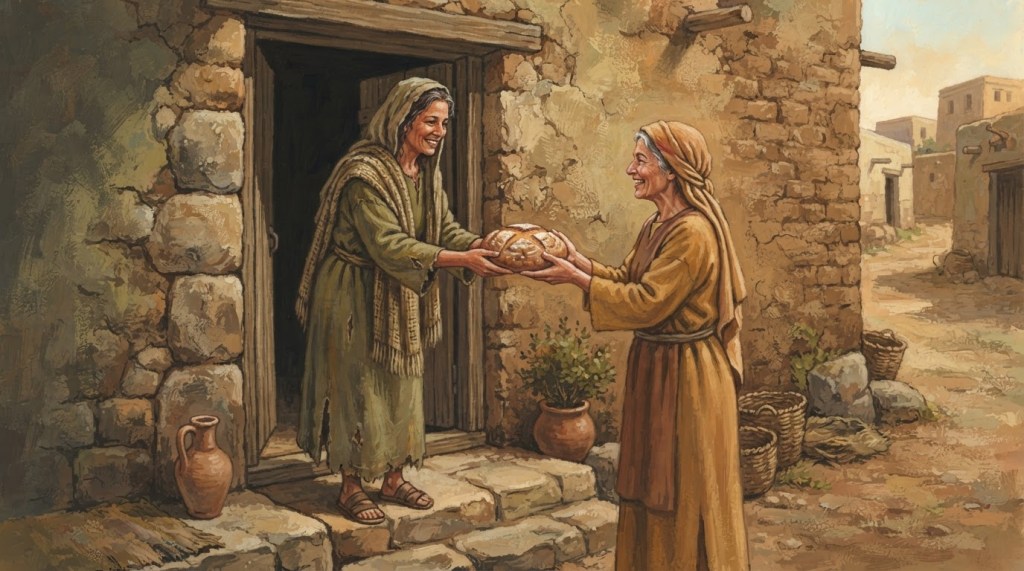
When I see someone in need, I want to remember how I came to Christ. I came empty-handed. Ephesians 2:8–9 reminds us that salvation is a gift of grace. When I help a neighbor who cannot pay me back, I get to share something of the kindness God has shown me.
Proverbs 19:18 — Correction should serve hope
Discipline your son, for there is hope; don’t be a willing party to his death.
There’s hope for our children. They need encouragement, sound advice, and help thinking through the next decision. When I correct one of my boys, I want him to come away knowing what he can do differently and knowing his dad is cheering him on.
Proverbs 19:19 — Rescuing someone can preserve a destructive pattern
A hot-tempered man must pay the penalty, for if you rescue him, you must do it again.
A true friend can encourage and convict in the same conversation. If I keep cleaning up after someone’s anger, the person who got hurt may never hear an apology. Sometimes speaking the truth in love means standing beside a friend while he takes responsibility for what he said.
Proverbs 19:20 — Become the kind of person who can receive counsel
Listen to counsel and receive instruction, that you may be wise in your latter end.
My wife helps me live out this verse. She’ll point out when I’ve been eating too much fast food or when a habit is taking my attention away from what I need to do. Sometimes it’s something as funny as her reminding me to quit picking my nose. Even then, correction can be hard to hear. What helps me listen is knowing her heart. She loves me, she sees things I overlook, and she wants what’s good for me.
Proverbs 19:21 — Make plans with an open hand
There are many plans in a man’s heart, but Yahweh’s counsel will prevail.
I can make a plan and honestly believe it’s the best thing for me. Sometimes it fails spectacularly. Other times, years later, I see that God was leading me somewhere I hadn’t considered. William Ernest Henley closes Invictus with the words, “I am the master of my fate, / I am the captain of my soul.” I think about the dust God formed us from. Even the breath I take while telling someone what I’m going to do tomorrow is a gift from him.
Proverbs 19:22 — Kindness and truth outweigh an impressive image
That which makes a man to be desired is his kindness. A poor man is better than a liar.
In real estate, we call it overpromising and underdelivering. Somebody asks me for help, and I want to say yes. Sometimes I also want that person to think I’m capable of more than I am. I have to remind myself of that temptation every day. One of the kindest answers I can give is, “I wish I could do more, but here’s what I can do.” The person counting on me can make plans knowing what help they’ll actually have.
Proverbs 19:23 — The fear of the Lord and the question of suffering
The fear of Yahweh leads to life, then contentment; he rests and will not be touched by trouble.
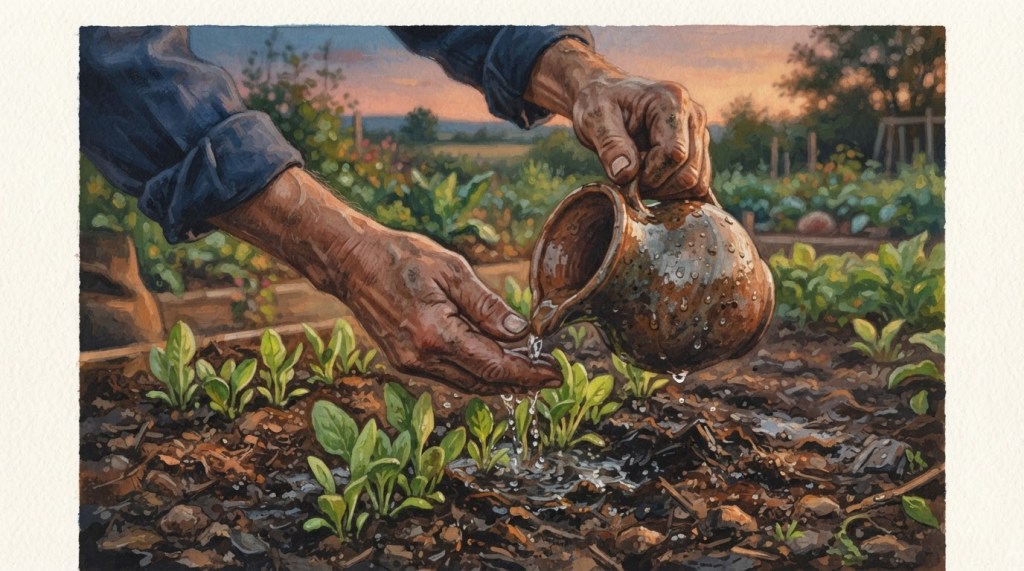
Paul gives us a picture from his ministry in Corinth. “I planted. Apollos watered. But God gave the increase” (1 Corinthians 3:6, WEB). Planting takes work. So does watering. I’m responsible for how I use the time and resources God has given me, but I can’t make a seed grow by worrying over it. Sometimes there is still work to do tomorrow. The same God who gave me the work is still in control while I rest.
Proverbs 19:24 — When even the next small action is refused
The sluggard buries his hand in the dish; he will not so much as bring it to his mouth again.
We’ll eat ninety percent of what’s on the plate and leave that little last bite. The man in the proverb goes a step further. He’s still hungry, and his hand is already in the dish. I recognize that tendency in myself when I make a commitment and treat “almost finished” as if I’ve kept my word. If somebody is counting on me, that last part may be the very thing they need. Philippians 1:6 gives me hope here. God faithfully completes the good work he begins in his people. Sometimes growing in holiness means going back and finishing what I told someone I would do.
Proverbs 19:25 — A teachable person learns through a word
Flog a scoffer, and the simple will learn prudence; rebuke one who has understanding, and he will gain knowledge.
When I correct one of my boys, I want him to know I’ve been in his shoes. I remember being a kid and thinking my parents couldn’t understand what I was going through. Ecclesiastes 1:9 says there’s nothing new under the sun. The same old temptations show up wearing different clothes. Sometimes it helps to tell my son about a time I gave in to the very thing he’s struggling with. Then I need to give him room to tell me what happened in his own words.
Proverbs 19:26 — The shame of exploiting parents
He who robs his father and drives away his mother is a son who causes shame and brings reproach.
This son takes from the father who provided for him and drives his mother from a place where she should be safe. It’s worth slowing down long enough to picture what that costs her. Where will she go? Who will open a door for her? Honoring our parents reaches well beyond speaking politely to them when we’re young.
Proverbs 19:27 — Wisdom requires continued listening
If you stop listening to instruction, my son, you will stray from the words of knowledge.
I want my children to keep listening as they grow old enough to choose for themselves. Ephesians 6:4 speaks to my side of that conversation. I can tell a boy where he went wrong and still say, “Son, I love you. I’m cheering you on. Let’s talk about what you can do differently next time.”
Proverbs 19:28 — When lies become contempt for justice
A corrupt witness mocks justice, and the mouth of the wicked gulps down iniquity.
I’d tell my sons that some of the most convincing lies are ninety percent true. You can tell me exactly what your brother said, repeat his words correctly, and still deceive me if you purposely leave out what you said to him first. If I correct him on the strength of your story, he bears the consequence of the part you chose to leave out. That’s how a dishonest witness can make a mockery of justice even in his own home.
Proverbs 19:29 — The seriousness of refusing wisdom
Penalties are prepared for scoffers, and beatings for the backs of fools.
The chapter closes with a warning about where scoffing leads. If my son said, “But Dad, everything I told you was true,” I’d want to ask gently, “What did you want me to believe?” That’s a question I need to ask myself, too. God sees why I held back that one detail. While I still have the opportunity, I can go back to the person I misled and say, “I left something out, and it changes what I told you.”
A prayer for a wise heart
Father, give me the humility to hear correction and the courage to tell the whole truth, especially when it costs me something. When I correct my children, help them hear the love in my voice. When they see me make a mistake, let them also see me admit it and make it right. By your grace, help us grow together into the likeness of Jesus. Amen.


Leave a Reply