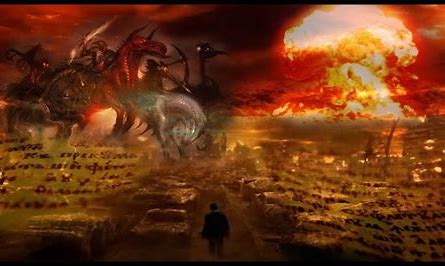
Revelation 12 is known for its apocalyptic imagery and interpreted as a representation of spiritual warfare between good and evil. The woman is seen as a symbol of the faithful people of God, while the dragon represents Satan.
The male child is often identified with Jesus Christ. The chapter unfolds with intense symbolism, including celestial signs, battles in heaven, and the protection of the woman by divine intervention.
Let’s break down each verse and discuss it more thoroughly. Please reach out with any questions or comments below. I hope this commentary will help equip you to conform your mind more into the image of Christ.
Revelation 12 (WEB): 1 A great sign was seen in heaven: a woman clothed with the sun, and the moon under her feet, and on her head a crown of twelve stars.
In this verse, the image of a woman in heaven symbolizes the people of God, often understood as the church. The woman’s attire and the celestial elements convey a sense of majesty and divine favor. The Greek word “σημεῖον” (sēmeion) – translated as “sign”, emphasizes the symbolic nature of the vision, pointing to a deeper meaning.
Some Messianic Jewish interpretations may see the woman as a representation of Israel, with the twelve stars corresponding to the twelve tribes of Israel. In this view, the fulfillment of this prophecy could be linked to the Messianic age and the role of Israel in God’s redemptive plan.
In Isaiah 66:7-9 we see similar imagery:
“Before she was in labor, she gave birth; before her pain came upon her, she delivered a son. Who has heard such a thing? Who has seen such things? Shall a land be born in one day? Shall a nation be brought forth in one moment? For as soon as Zion was in labor, she brought forth her children. Shall I bring to the point of birth and not cause to bring forth? says the Lord; shall I, who cause to bring forth, shut the womb? says your God.”
This passage from Isaiah uses childbirth imagery to depict the swift and miraculous restoration of Israel. The imagery of a woman giving birth is employed to illustrate the sudden and dramatic nature of God’s work in bringing about the birth of a nation.
Galatians 4:26 also emphasizes Jerusalem being described as a mother. The apostle Paul uses the metaphor of Jerusalem as a free mother to symbolize the heavenly, spiritual reality that believers are a part of. This verse shows the contrast between earthly Jerusalem and the spiritual reality of the kingdom of God.
2 She was with child. She cried out in pain, laboring to give birth.
The woman is pregnant and in pain, symbolizing the struggles and challenges faced by the people of God in bringing forth the message of salvation. This verse in the Greek “ὠδίνω” (ōdinō) – is translated as “cried out in pain” or “labored.” This word carries the idea of the intense labor pains associated with childbirth, highlighting the difficulty of the spiritual process.
The entire canon of Scripture reveals this truth, from the book of Isaiah, where the prophet is proclaiming how no one is believing their report about the messiah (Isaiah 53:1-3). How they despise and reject this truth.
During the earthly ministry of Jesus, we also see the struggles and challenges faced by the people of God. John 1:11 says that God came to his own, and his own did not receive him. Matthew 23:37 also stresses this concept of Jesus lamenting over Jerusalem’s resistance to the message of salvation.
Finally, 2 Corinthians 4:3-4 reveal how the Gentiles were also resistant toward the message of salvation by grace through faith in Jesus. It says these people’s hearts are hardened and their eyes are blinded to the truth. That’s why it’s vitally important as followers of Christ to pray for the world to see the light of the gospel of grace.
3 Another sign was seen in heaven. Behold, a great red dragon, having seven heads and ten horns, and on his heads seven crowns.
The appearance of the dragon introduces a malevolent force opposing the woman, identified later in the chapter as Satan. The multiple heads and horns symbolize power and authority. The Greek word “δράκων” (drakōn) is often associated with a large serpent or sea monster.
Many scholars see the parallels between the book of Daniel and Revelation here. The following are the most common perspectives and details the significance of the numbers based on what we know from the narrative of Scripture:
1. Symbolism of the Number Seven:
- In biblical symbolism, the number seven often represents completeness or fullness. It is a number frequently used in the Bible to signify divine perfection or fulfillment.
- The seven heads may symbolize the dragon’s complete or exhaustive opposition to God’s purposes.
2. Symbolism of Crowns (Diadems):
- Crowns are symbols of authority and rulership. The fact that there are seven crowns on the seven heads emphasizes the dragon’s claim to complete dominion or authority.
- The diadems may indicate a false or usurped authority, as they are on the heads of the dragon, a force opposed to God.
3. Connection to Daniel’s Vision:
- The imagery of multiple heads and horns is reminiscent of the visions in the Book of Daniel, particularly Daniel 7, where different beasts represent kingdoms and rulers.
- The dragon’s heads and crowns may symbolize the powerful and antagonistic forces working against God’s purposes throughout history.
4 His tail drew one third of the stars of the sky and threw them to the earth. The dragon stood before the woman who was about to give birth so that when she gave birth, he might devour her child.
The dragon’s tail sweeping a third of the stars indicates the rebellion of a group of angels led by Satan. The threat to devour the child mirrors the biblical narrative of the devil’s attempts to thwart God’s plans, such as seen in the story of Herod attempting to kill the infant Jesus, who is the Messiah that will save the people of Israel and redeem humanity.
The casting of stars to heaven further represents the rebellion that occurred in heaven where Lucifer convinced other angelic hosts to fight against God. For example, Isaiah 14:12 (ESV) refers to the fallen king of Babylon as the “morning star, son of the dawn.”
This could contribute to the understanding of stars as symbols of fallen beings or powers. This act corresponds to the cosmic conflict we have today between good and evil.
5 She gave birth to a son, a male child, who is to rule all the nations with a rod of iron. Her child was caught up to God, and to his throne.
The birth of the male child, who is to rule with authority, is often identified with Christ. The imagery of ruling with a rod of iron suggests absolute power and dominion.
This verse is a direct reference to the messianic prophecy found in Psalm 2:9 (ESV), which speaks of the Messiah’s rule with a rod of iron:
“You shall break them with a rod of iron and dash them in pieces like a potter’s vessel.”
In Revelation 12:5, the male child is often identified as Jesus Christ, and the imagery of ruling with a rod of iron underscores the idea of Christ’s authority and sovereignty over all nations. The phrase “rod of iron” suggests a rule that is firm, unyielding, and characterized by justice and power.
6 The woman fled into the wilderness, where she has a place prepared by God, that there they may nourish her one thousand two hundred sixty days.
The woman fleeing to the wilderness symbolizes a time of persecution or trial for the people of God. The reference to 1,260 days is often understood as a symbolic period, representing a time of tribulation.
In some dispensationalist interpretations, the 1,260 days mentioned in Revelation 12:6 is seen as a literal three-and-a-half-year period of tribulation. This interpretation is often connected to the idea of a future seven-year tribulation period, which is sometimes derived from other passages in the book of Daniel, particularly Daniel 9:27.
The literal interpretation might suggest that there will be a future period of intense persecution or upheaval lasting for precisely 1,260 days, marking a specific phase within the larger eschatological timeline. This interpretation is associated with the belief in a pre-tribulation rapture, where believers are taken up to be with Christ before this period of tribulation begins.
The wilderness is a recurring motif in biblical literature and often carries symbolic significance. In the context of Revelation 12, the wilderness is generally understood as a place of refuge, protection, or trial.
Interpretations of the wilderness in this passage can vary, but here are a few common perspectives:
- Place of Refuge: The wilderness is seen as a place where God provides protection and sustenance for the woman. This interpretation suggests that, in the face of persecution or threats, God leads His people to a place of safety and divine provision.
- Time of Trial or Testing: The wilderness can also symbolize a period of trial or testing for the people of God. The woman’s journey into the wilderness may represent a time of challenge and difficulty that the Church or believers experience.
- A Historical or Symbolic Location: Some interpretations may seek to identify the wilderness as a specific historical or symbolic location. Others may see it as a representation of the challenges and struggles faced by the people of God throughout history.
7 There was war in the sky. Michael and his angels made war on the dragon. The dragon and his angels made war.
The celestial war between Michael and the dragon illustrates the cosmic struggle between good and evil. Michael, often identified as an archangel, represents the forces of righteousness combating the dragon and his followers.
The Greek word”πόλεμος” (polemos) – is translated as “war.” This term underscores the intense conflict and spiritual battle taking place in the heavenly realms. It’s important to realize that this cosmic fight demonstrates what is going on in our modern world today. The following are just a few examples of this celestial clash.
- Global Conflicts: Some individuals or groups have interpreted apocalyptic texts, including Revelation, in the context of global conflicts or wars. They may see modern geopolitical events as fulfilling prophetic imagery from these texts.
- Natural Disasters: In times of significant natural disasters, some individuals may interpret these events through apocalyptic lenses. The idea is that such events are seen as signs of divine judgment or part of a broader apocalyptic narrative.
- Pandemics: Events such as pandemics have at times led to apocalyptic interpretations, with some seeing these occurrences as fulfilling or echoing biblical prophecies about plagues and pestilences.
- Political and Social Unrest: Periods of political or social upheaval may lead some to interpret apocalyptic texts in relation to the perceived turmoil. This could include views on the rise and fall of nations, societal decay, or the idea of a final confrontation between good and evil.
- Technological Advancements: In the context of rapid technological advancements, some may interpret apocalyptic texts to align with concerns about the misuse of technology, surveillance, or the potential for a dystopian future.
In contemplating Revelation 12:1-7, I find themes of perseverance, divine intervention, and the ultimate triumph of good over evil echoing through the symbolism. The passage beckons me to reflect on the cosmic drama of redemption, reminding me of the timeless truths that underpin the Christian journey. As the celestial battle unfolds, it speaks to the hope that sustains us amid life’s trials and the assurance that, in the end, God’s purposes will prevail.
 Conform to Jesus
Leave a comment