Introduction
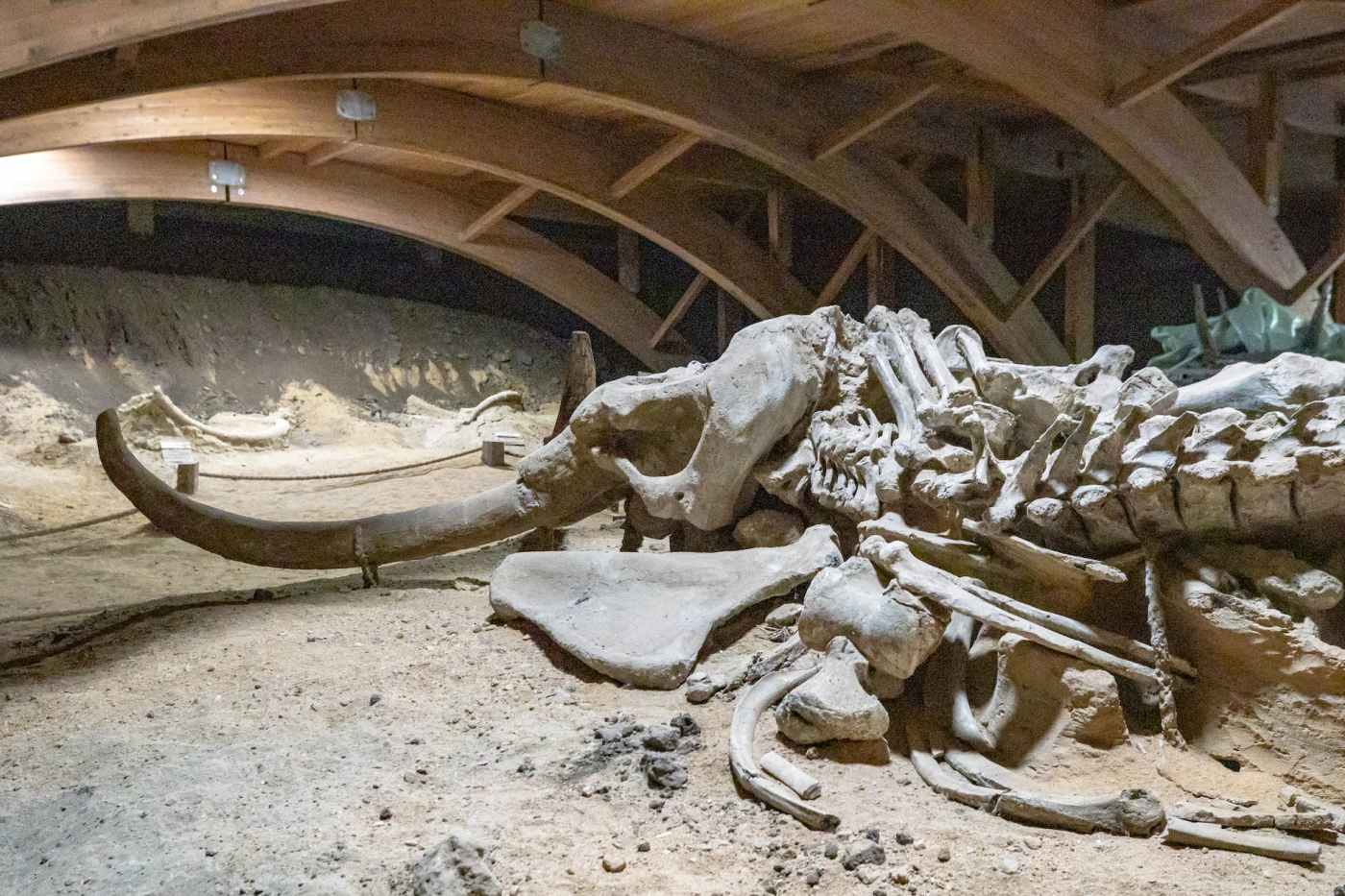
The preservation of ancient antibodies in archaeological remains, such as medieval human teeth and even woolly mammoth bones, challenges conventional wisdom and radiocarbon dating methods. In this blog post, we will explore the implications of these discoveries within the framework of biblical creationism.
Ancient Antibodies: A Molecular Memory
The research conducted at the University of Oxford’s Research Laboratory for Archaeology and the History of Art provides an incredible insight into the preservation of ancient proteins, specifically antibodies. These antibodies, extracted from medieval human teeth dating back to the 13th-15th centuries, retain their integrity and reactivity against contemporary pathogens. This remarkable preservation suggests a molecular memory related to the natural history of human health and immunity.
The Mystery of Cystine Bonds
One of the intriguing aspects of these ancient antibodies is the presence of disulfide bonds, specifically cystine bonds, which are crucial for their function. From a creationist perspective, the remarkable preservation of these bonds challenges the notion that they should have decayed over time. These bonds require spare electrons to break, but something has seemingly prevented this from happening over the years.
Radiocarbon Dating and Its Challenges
The radiocarbon dating of the woolly mammoth bone with ancient antibodies raises questions about the reliability of radiocarbon dating itself. Creationists have long pointed out the uncertainties surrounding radiocarbon dating, such as the unknown past atmospheric C-12/C-14 ratio. The discrepancies between archaeological ages and radiocarbon dates further emphasize the limitations of this dating method.
Worldwide Radiocarbon Offsets
Notably, Manfred Bietak’s work on systematic offsets in radiocarbon dating for various archaeological sites, including Egypt, suggests a broader issue with radiocarbon dating. These offsets indicate that radiocarbon “ages” may be inflated, leading to potential overestimation of the age of ancient artifacts.
The Biblical Perspective
From a biblical creationist standpoint, the age of the Earth is estimated to be around 6,000 to 10,000 years, based on genealogical records in the Bible. According to this timeline, the woolly mammoths and medieval humans who left these remarkable antibodies would have lived no more than 4,500 years ago, in a world affected by Noah’s Flood.
Conclusion
The preservation of ancient antibodies challenges conventional scientific assumptions, including the reliability of radiocarbon dating. These discoveries align with the biblical timeline and suggest that the woolly mammoths and medieval humans were much younger than conventional dating methods suggest. While scientists continue to explore the mysteries of ancient proteins, the biblical worldview offers an alternative framework for understanding our world’s history.
Citations
- Shaw, B. et al. 2023. Preservation of whole antibodies within ancient teeth. iScience. 107575.
- Cystine undergoes a reduction reaction whereby electrons break the S-S bond.
- Routh, J. I. 1938. The Decomposition of Cystine in Aqueous Solution. Journal of Biological Chemistry. 126:1: 147-154.
- Bietak, M. 2013. Antagonisms in Historical and Radiocarbon Chronology. In Radiocarbon and the Chronologies of Ancient Egypt, A.J. Shortland and C. B. Ramsey, Ed.’s. Oxbow Books: Oxford, UK.
- University of Nottingham. “Teeth could preserve antibodies hundreds of years old, study finds.” ScienceDaily. ScienceDaily, 16 August 2023.
- Thomas, Brian. World’s Oldest Antibody or Really Wrong Age? https://www.icr.org/article/worlds-oldest-antibody/
 Conform to Jesus
Leave a comment