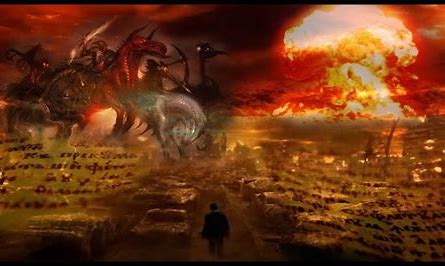
In Revelation 8, we enter a new chapter that takes us deeper into the unfolding drama of the end times. Join us on this journey as we explore the fascinating insights and messages contained in Revelation 8.
The Opening of the Seventh Seal
Revelation 8 begins with the opening of the seventh seal, an event eagerly anticipated by the reader and the heavenly hosts. As the seal is opened, there is silence in heaven for about half an hour, signifying the solemnity and significance of what is about to occur. This moment of silence builds anticipation for the forthcoming events, signaling a turning point in the narrative.
Scholars have offered various interpretations of the silence in heaven depicted in Revelation 8:1. Some see it as a moment of awe and anticipation before the impending judgments, signifying the gravity and solemnity of the events about to unfold. Others view it as a pause, allowing for reflection and contemplation of the divine judgments that will be unleashed with the opening of the seventh seal.
This silence is seen as a dramatic contrast to the previous heavenly scenes filled with praise and worship, emphasizing the seriousness of the forthcoming judgments. While interpretations may vary, many scholars agree that the silence in heaven serves to heighten the sense of expectancy and underscores the significance of the events that follow.
The Seven Angels with Trumpets
Following the silence, seven angels are given seven trumpets, each heralding a unique and cataclysmic event. These trumpets are associated with divine judgments and represent God’s intervention in the affairs of humanity. As each trumpet is blown, a new judgment is unleashed upon the earth.
The seven trumpets in Revelation 8 are of profound significance in the apocalyptic narrative. Sequentially following the opening of the seventh seal, they represent a series of divine judgments with escalating intensity. Serving as warnings to humanity, these cataclysmic and symbolic events underscore God’s sovereignty over creation and offer an opportunity for repentance.
Parallels with the plagues of Egypt evoke echoes of God’s deliverance and judgment. The designations of “woes” for the fifth and sixth trumpets highlight their severity, contributing to the eschatological theme of Revelation. These judgments also unveil spiritual realities and emphasize the importance of faithfulness in the face of adversity, preparing readers for the climactic events that follow in this prophetic book.
The First Four Trumpets
The first four trumpets bring devastating ecological and cosmic disturbances. Hail and fire mingled with blood are cast upon the earth, causing widespread destruction. A great mountain burning with fire is cast into the sea, leading to the death of many sea creatures and the contamination of waters.
The third trumpet results in the fall of a star named Wormwood, causing bitterness and death to fresh waters. The fourth trumpet darkens a third of the sun, moon, and stars, leading to a reduction in light and temperature.
Scholars offer various interpretations of the first four trumpets in Revelation 8, and their application to modern times can be seen through different perspectives. Here are some common interpretations and their potential modern-day applications:
- Ecological Interpretation: Some scholars interpret the first four trumpets as ecological or environmental catastrophes. They see the hail and fire mingled with blood as symbolic of natural disasters, such as wildfires, volcanic eruptions, or meteor impacts. In a modern context, this interpretation can be seen as a warning about the consequences of environmental degradation and climate change. The message is that humanity’s mistreatment of the environment may lead to ecological disasters.
- Cosmic or Astronomical Interpretation: Another interpretation views the first four trumpets as cosmic or astronomical events, such as meteor showers or celestial disturbances. In modern times, this can be be seen as a reflection of our growing awareness of the potential impact of near-Earth objects (NEOs) and the need to monitor and mitigate potential threats from space.
- Symbolic or Political Interpretation: Some scholars interpret the first four trumpets symbolically, seeing them as judgments on political powers and systems. In a modern context, this could be applied to geopolitical conflicts, social unrest, or the consequences of oppressive political regimes. The message is that the misuse of power and political injustice can lead to societal upheaval.
- Historical Interpretation: Another perspective interprets the first four trumpets as representing specific historical events or calamities. This can be seen as a reminder that throughout history, nations and societies have faced various forms of crisis and upheaval. In a modern context, it encourages us to learn from the lessons of history and work toward peace, justice, and sustainable practices.
- Theological and Moral Interpretation: Some scholars emphasize the spiritual and moral dimensions of the first four trumpets, highlighting the need for repentance and a return to God’s ways. In modern times, this interpretation serves as a call to examine our moral and ethical choices, both individually and collectively, and to seek spiritual renewal.
The interpretations of the first four trumpets in Revelation 8 are diverse, and their modern-day applications depend on one’s perspective and beliefs. They can serve as a reminder of the potential consequences of environmental negligence, geopolitical tensions, social injustice, or moral decay.
Ultimately, their application to our modern world encourages reflection, accountability, and a commitment to addressing the pressing issues of our time in a way that aligns with values of compassion, justice, and stewardship.
The Eagle’s Warning
In the midst of these catastrophic events, an eagle flying in mid-heaven issues a dire warning to the inhabitants of the earth. The eagle’s cry emphasizes the severity of the forthcoming trumpet judgments and the urgency for repentance.
The eagle’s cry in Revelation 8 serves as a forewarning of the impending severity of the judgments associated with the upcoming fifth and sixth trumpets. It emphasizes the gravity of these events by designating them as the first and second “woes.” The cry of the eagle prepares the reader for the intensified suffering and devastation that these judgments will bring upon the earth.
While it introduces the first and second woes, it does not explicitly mention the third woe, leaving room for interpretation and speculation about its nature and significance. Overall, the eagle’s cry underscores the escalating intensity and seriousness of the trumpet judgments in Revelation.
The Last Three Trumpets
Revelation 8 introduces the concept of three woes associated with the remaining three trumpet judgments. These woes signify intensifying suffering and tribulation. The fifth trumpet, also known as the first woe, releases locust-like creatures that afflict humanity with torment. The sixth trumpet, the second woe, unleashes four angels, leading to a massive army that brings further devastation and death.
The third woe, associated with the seventh trumpet in Revelation 11, represents a climactic and momentous event in the apocalyptic narrative. It is not explicitly detailed in Revelation 8 but is traditionally connected to the final trumpet.
When the seventh angel sounds the seventh trumpet, it signals the ultimate judgment of God upon the world, marking the culmination of His redemptive plan. This significant moment is accompanied by proclamations in heaven about the establishment of God’s eternal kingdom.
Following the seventh trumpet, a series of seven bowl judgments is poured out, signifying the most severe and final acts of God’s wrath. These judgments lead to widespread suffering and the ultimate manifestation of divine justice as the events of the end times reach their culmination.
Reflection and Interpretation
Revelation 8 invites us to reflect on the profound nature of divine judgments and the consequences of human choices. The vivid imagery and symbolism in this chapter challenge us to consider the consequences of our actions and the need for repentance and reconciliation with God.
The metaphors and allegories found in Revelation 8 serve as powerful reminders of the need for repentance and trust in Jesus for salvation. They depict a world on the brink of divine judgments, where natural disasters, celestial disturbances, and ecological catastrophes symbolize the consequences of human actions. These images call for introspection and a reevaluation of our relationship with God.
The escalating severity of the trumpet judgments, as indicated by the eagle’s cry and the introduction of “woes,” emphasizes the urgency of repentance. It highlights the reality that we are accountable for our choices and that turning to God in genuine repentance is the path to redemption and grace. Just as the inhabitants of the earth face the consequences of their actions in Revelation, we too are called to acknowledge our shortcomings and turn to Jesus for salvation.
The trumpet judgments ultimately point to the transformative power of trust in Jesus. They remind us that, even in the face of impending trials, our hope and security lie in our unwavering trust in Jesus Christ. Through His grace, we find forgiveness, reconciliation, and the promise of eternal salvation, a message that resonates throughout the Book of Revelation.
Conclusion
Revelation 8 is a pivotal chapter in the Book of Revelation, marking the opening of the seventh seal and the introduction of the seven trumpet judgments. It serves as a reminder of the ultimate authority of God and His ability to bring about both judgment and redemption.
As we delve deeper into the mysteries of Revelation, we are encouraged to seek understanding, spiritual growth, and a closer relationship with the Divine. This chapter reminds us that even in the midst of challenging times, there is hope for those who turn to God in faith and repentance.
 Conform to Jesus
Leave a comment