

According to Nutrition: From Science To You, over 200,000 Americans die from diabetic complications–a condition related to an inadequate regulation of blood glucose. This illness is often associated with poor eating habits and a lack of exercise.
Moreover, an estimated 25.8 million Americans have diabetes. Unfortunately, if this trend continues, it is likely that one-third of the entire population will have this illness, reducing their life expectancy by 10-15 years.

In this article, I want to discuss 5 reasons why it’s important for Christians to develop a healthy balance of diet and exercise. These 5 reasons are:
- Your bodies are considered God’s temple where the Holy Spirit dwells.
- You are to eat and drink all for the glory of God.
- God commands you to be good stewards of creation, which includes your own bodies.
- Eating healthy affects your relationship with others.
- Avoiding vices like gluttony will protect you from unhealthy consequences.
Furthermore, it is crucial to acknowledge that the concept of taking care of one’s body as an expression of spiritual worship is deeply rooted in various religious and philosophical traditions. In many belief systems, the body is considered to be a sacred vessel, a gift from a higher power, and therefore, it is essential to treat it with respect and mindfulness. This perspective signifies that the nourishment and care of the physical self are not merely practical matters but are intertwined with deeper spiritual significance.
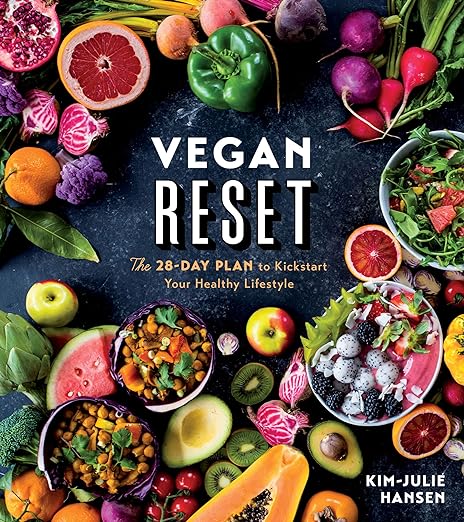

Moreover, the idea of food and drink as acts of worship is a fascinating and multi-faceted one. Across different cultures and faith traditions, the rituals and traditions surrounding meals often carry profound symbolic meaning. From the Eucharist in Christianity to the concept of Sattvic diet in Hinduism, there is a recognition that what we consume has the potential to nourish not only the body but also the spirit.

With this in mind, it becomes evident that the conscientious choices we make regarding our diet and lifestyle can indeed be profound expressions of spiritual devotion. Whether through mindful eating practices, abstaining from harmful substances, or conscientiously selecting foods that promote wellness, individuals can align their dietary habits with their spiritual values. This harmonious integration of physical and spiritual well-being can lead to a profound sense of wholeness and alignment with one’s beliefs.

Hence, it is apparent that the nurturing of our bodies should not be viewed as a separate or mundane concern but as a genuine and profound act of spiritual worship. Each decision pertaining to nutrition and self-care can be seen as an opportunity to honor and glorify the divine, a tangible way to embody reverence and gratitude for the gift of life and sustenance bestowed upon us. In doing so, we not only elevate the significance of our daily sustenance but also foster a deeper connection between our physical existence and our spiritual journey, enriching our lives in ways that extend far beyond the material realm.

1. As Christians, your bodies are considered God’s temple and where the Holy Spirit dwells (1 Cor. 3:16).
Furthemore, I am contending that what you eat and drink is a true act of spiritual worship. For these reasons, I believe it is imperative that we take care of our bodies for the glory of God. Let’s discuss each reason in further detail.
1 Corinthians 3:16 states, “Don’t you know that you yourselves are God’s temple and that God’s Spirit dwells in your midst?” What a powerful verse. When we are born again into the kingdom of righteousness, our body becomes the temple for the living God.
This sobering reality should beckon us to treat our bodies with dignity and respect. Instead of eating a bunch of high fructose corn syrup that ruins our bodies, let’s replace it with sweet fruits that have plenty of fiber. Instead of eating donuts for breakfast, let’s replace it with a well-balanced meal of whole grains, eggs, fruits, and vegetables.
I am not attempting to be a legalist here. You have the freedom to eat what you want. All I am saying is this: Since God dwells inside of us, let’s take care of this temple, both physically and spiritually.

In my opinion, the church of Jesus Christ has differentiated the physical and spiritual realities so much that they forget how compatible both these realities really are. God created a physical world. He created us, physical creatures. God will create a new heaven and new earth, which by the way, will still be physical. Thus, how we treat our physical bodies have a definitive correlation with our spiritual lives.

2. As Christians, you are to eat and drink all for the glory of God (1 Cor. 10:31).
The apostle Paul states in 1 Corinthians 10:31, “So whether you eat or drink or whatever you do, do it all for the glory of God.” The Christian life is very much tied into the way we eat. Just think about how the disciples continually “broke bread together.” Or how about the spiritual conversations that happen around sharing a meal? I believe these are a few reasons why eating and drinking can be done for the glory of God.

Unfortunately, people misuse this passage for their own sinful desires. For instance, they look at this statement and say, “See, we can eat whatever we want.” As long as we pray over the meal, even though we know it could lead to diabetes, hypertension, and stroke, it’s okay. God will bless it.
Let me be clear here. Yes, we are free to eat to the glory of God. Yes, when we pray over our meal, God blesses and sanctifies it. However, do not use this verse as an excuse to eat unhealthy. God rebukes those who are gluttonous. Also remember, God had dietary laws of what you should and should not eat.

3. As Christians, God commands you to be good stewards of creation, which includes your own bodies (Gen. 1:26).
Up until the Gentile movement, Jesus and Jews from the Old Testament refrained from eating unclean animals such as pork and shellfish. Personally, I still follow this dietary restriction. I wouldn’t impose it on anyone else, but I still think you could make an argument today for avoiding these types of foods. They can carry many diseases, and I believe God mandated this restriction to protect us from physical illness.

Scripture makes it clear that we are to be good stewards of creation. In the very beginning, God said, “Let us make mankind in our image, in our likeness, so that they may rule over the fish in the sea and the birds in the sky, over the livestock and all the wild animals, and over all the creatures that move along the ground (Gen. 1:26).”
It’s interesting that humanity tends to have an easier time managing their livestock, money, family, and other responsibilities more than themselves. I heard it said that Alexander the Great was able to conquer many lands and nations, but was never able to conquer his own emotions. Aren’t we like that too?
Having self-control in many areas in life are important, but to have good stewardship over your exercise and diet is integral to a healthy life. If you are not able to take care of your own body, how can you take care of others? If you can’t be a good steward of your own flesh and blood, how can you take care of the spiritual things of God?
Can you see how proper diet and exercise reflects not only your physical health, but also what’s going on internally? Your spiritual condition is manifested in the physical world. We are created in the image of God. God, of course, is Spirit, and we worship Him in Spirit and truth. However, God made us to manifest His glory in the physical realm and to be a reflection of his invisible nature. Therefore, we ought to be good stewards of how we exercise, eat, and drink.
4. As Christians, eating healthy affects your testimony and relationship with others.
The church jests about Sunday brunch and pot lucks. We even have a saying, “Oh, he has a pastor’s belly.” However, I think this reputation makes a devastatingly negative impact in both the religious and secular culture. Philippians 3:19 says, “Their end is destruction, their god is their stomach, and their glory is their shame. Their mind is set on earthly things.”
Gluttony is a “respectable” sin. It’s not frowned upon like the sins of anger, lying, and stealing. But God doesn’t differentiate. Sin is sin. The church needs to repent of the way they eat because it’s affecting their testimony and relationship with others.
I really think the church has become more gnostic over the centuries, focusing on the spiritual reality more than the physical reality. It’s almost as if they think the spiritual world doesn’t directly affect the physical world. Moreover, their supreme focus on spirituality negates the simple stewardship of eating healthy and proper diet. For example, they may pray for several hours and read God’s word daily, but then eat a terrible meal and not feel guilty at all for it.
For access to all my 750+ full-length articles and videos, consider subscribing below for $1.99 a month. Thanks for your support!
Subscribe to get access
Read more of this content when you subscribe today.
 Conform to Jesus
Leave a comment