
“Better is he who is lightly esteemed and has a servant than he who honors himself and lacks bread (Prov. 12:9).”
In Proverbs 12:9, the most significant Hebrew word is “אֶבְיוֹן” (Evyon), which means “nobody,” “poor,” or “needy.” This word emphasizes the concept of humility and contentment with one’s station in life, contrasting it with the pursuit of status or recognition without genuine substance or provision.
The Greek word for “lightly esteemed” here is “ἐξουθενημένος” (exouthenēmenos), indicating lowly or despised. It underscores the value of humility and contentment over arrogance and want.
Scripture reaffirms this idea in Philippians 2:3-4: “Do nothing out of selfish ambition or vain conceit. Rather, in humility value others above yourselves.” What a powerful reminder to prioritize humility over the pursuit of personal glory.
Moreover, the Bible makes it clear that God opposes the proud but shows favor to the humble (James 4:6). Humility reflects dependence on God, fosters healthy relationships, honors God, and leads to a healthy spiritual growth.
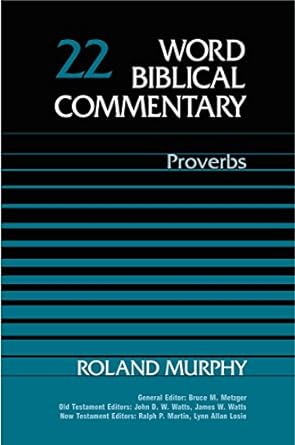
Roland Murphy, in his commentary on Proverbs, discusses the theme of humility and self-sufficiency. He emphasizes the wisdom of prioritizing humility and sufficiency over pride and lack (Murphy, R. E. (1998). Word Biblical Commentary, Volume 22: Proverbs. Thomas Nelson).
“A righteous man has regard for the life of his animal, but even the compassion of the wicked is cruel (Prov. 12:10).”
This verse emphasizes the ethical treatment of animals as a reflection of one’s righteousness. The Greek word for “compassion” here is “οἰκτιρμοί” (oiktirmoi), indicating pity or mercy. It suggests that even the supposed compassion of the wicked is ultimately cruel, contrasting with the genuine care and concern of the righteous for the well-being of their animals.
In Genesis 1:26, God told humanity to “rule over” or “take care” of the fish in the sea, birds in the sky, the livestock, and all the wild animals and creatures on the earth. This idea of ruling over is not in a domineering way, but in a stewardship and responsible way. This verse here is pro-environmentalism.
You see this type of caring nature throughout Scripture, from Deuteronomy 25:4 where Scripture commands not us muzzle an ox while it’s treading out the grain because that would be unfair and cruel, or Matthew 6:26 where the birds of the air are not anxious because they know their heavenly Father will feed them.
Duane Garrett, in his commentary on Proverbs, discusses the theme of compassion and righteousness. He emphasizes the moral responsibility of treating animals with kindness and care, reflecting the character of the righteous (Garrett, D. A. (1993). Proverbs, Ecclesiastes, Song of Songs. Broadman & Holman Publishers).

“He who tills his land will have plenty of bread, but he who pursues worthless things lacks sense (Prov. 12:11).”
This proverb extols the value of hard work and diligence in ensuring provision and abundance. The Greek word for “worthless things” here is “ματαίοις” (mataiois), indicating vanity or emptiness. It contrasts the prudent investment of labor in productive endeavors with the folly of pursuing meaningless pursuits.
Solomon, one of the wisest men who ever lived, said: “Whatever your hand finds to do, do it with all your might (Ecc. 9:10).” And 2 Thessalonians 3:10 doesn’t mince words: “The one who is unwilling to work shall not eat.”
These examples from Scripture reveal the importance of working hard and being responsible for your actions. It also warns us against the consequences of laziness or neglect.
Michael Fox, in his commentary on Proverbs, discusses the theme of diligence and folly. He emphasizes the importance of industriousness and wise investment of effort in securing sustenance and prosperity (Fox, M. V. (2009). Proverbs 10-31. Yale University Press).
Proverbs 12:12
“The wicked desires the booty of evil men, but the root of the righteous yields fruit (Prov. 12:12).”
In Proverbs 12:12, the most significant Hebrew word is “שָׁלֵם” (shalem), which means “to be rewarded” or “to be paid back.” This word emphasizes the consequences of one’s actions, particularly in the context of speech and communication. It highlights the idea that individuals will receive what is due or deserving as a consequence of their words. This underscores the power of speech to bring either positive or negative outcomes, depending on how it is used.
Job’s story in the Book of Job illustrates the endurance of the righteous in the face of adversity. Despite experiencing immense suffering and loss, Job remains faithful to God, and in the end, his righteousness is vindicated, and he is blessed abundantly.
Daniel’s commitment to righteousness and faithfulness to God leads to his persecution and unjust punishment. However, God preserves him in the lion’s den, demonstrating the enduring protection and favor that accompanies righteousness. We know that God works all things out together for our good and His purpose.
Raymond Van Leeuwen, in his commentary on Proverbs, discusses the theme of greed and righteousness. He emphasizes the contrast between the selfish desires of the wicked and the beneficial outcomes of righteousness (Van Leeuwen, R. C. (1999). The Book of Proverbs. Eerdmans).
Subscribe to get access
Read more of this content when you subscribe today.
 Conform to Jesus
Leave a comment