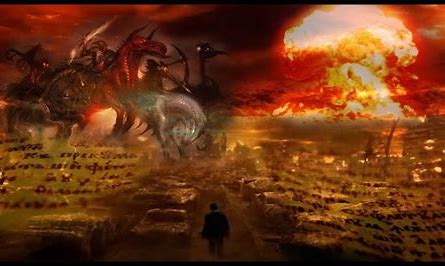
One of the most intriguing chapters in this apocalyptic text is Revelation 9, which presents vivid and enigmatic imagery that has captivated the minds of theologians, scholars, and believers for centuries.
In this blog post, we will explore Revelation 9, unraveling its symbolism and interpreting its message. While interpretations may vary, we will strive to offer a comprehensive understanding of the chapter, allowing you to appreciate the depth and significance of this biblical text.
The Fifth and Sixth Trumpets
Revelation 9 opens with the sounding of the fifth trumpet, signaling the emergence of a star fallen from heaven. This star is given a key to the bottomless pit, which he unlocks, releasing a horde of locust-like creatures upon the Earth. These creatures possess the power to torment humanity for five months but are instructed not to harm those who have the seal of God on their foreheads. This intriguing imagery sparks numerous questions: Who is the fallen star? What do the locust-like creatures represent?
The fallen star is often associated with Satan, who rebels against God and is cast out of heaven (Isaiah 14:12-15). The key to the bottomless pit may symbolize the authority given to Satan to unleash destruction and chaos on Earth. The locust-like creatures, with their scorpion-like tails and human faces, could represent malevolent spiritual forces or demons. The torment they inflict for five months may symbolize a period of tribulation or suffering.
The sixth trumpet follows, with an army of 200 million horsemen led by angels. These horsemen cause a great slaughter, with fire, smoke, and brimstone emanating from their mouths. This imagery is awe-inspiring and terrifying. It raises questions about the nature of this army and the purpose of their destructive actions.
The sixth trumpet’s army is often interpreted as a symbol of divine judgment or a destructive force that will be unleashed upon the world during the end times. The fire, smoke, and brimstone may symbolize the destruction and devastation that this army will bring. The precise identity of this army remains a subject of debate, with some suggesting it could represent a human military force or a supernatural entity.
The Role of Symbolism in Revelation 9
It’s crucial to understand that the book of Revelation is highly symbolic, and the images and events described are not necessarily meant to be taken literally. Instead, they convey spiritual truths and prophetic messages. Many interpretations of Revelation 9 rely on a symbolic approach, understanding the locust-like creatures and the army of horsemen as representing spiritual and moral conflicts rather than physical entities.
Theological Interpretations
Interpreting Revelation 9 requires a deep understanding of theological and eschatological (end times) concepts. Various Christian denominations and theologians offer different perspectives on the meaning of this chapter, reflecting their theological traditions and beliefs.
- Preterist Interpretation: Some preterist scholars argue that the events described in Revelation 9 were fulfilled in the past, specifically in the context of the Roman-Jewish War in the 1st century. They view the locust-like creatures as a representation of the Roman army, and the devastation described in this chapter as the historical events surrounding the destruction of the Jewish Temple in 70 AD.
- Historicist Interpretation: Historicist interpretations often see the events in Revelation as unfolding throughout history, with various symbols and figures representing different historical epochs and events. In this context, Revelation 9 could be seen as a representation of significant historical battles and conflicts.
- Futurist Interpretation: Futurist scholars believe that Revelation 9 is yet to be fulfilled and that the events described represent a future period of tribulation and divine judgment. They see the locust-like creatures and the army of horsemen as supernatural or otherworldly forces that will play a role in the end times.
Conclusion
Revelation 9 is a chapter in the Bible that is filled with rich symbolism and profound theological significance. It challenges readers to grapple with complex and enigmatic imagery, as well as different interpretations that reflect a range of theological perspectives.
While the exact meaning of the chapter may remain a subject of debate, it serves as a reminder of the profound themes present throughout the book of Revelation: the struggle between good and evil, divine judgment, and the ultimate triumph of God’s sovereignty. Regardless of one’s interpretation, Revelation 9 invites us to reflect on the spiritual truths and messages it conveys, urging us to live in accordance with our faith and prepare for the future with hope and steadfastness.
 Conform to Jesus
Leave a comment