In the world of paleontology, two fascinating enigmas have captivated the minds of scientists and enthusiasts alike: Archaeopteryx and Neanderthals. Both have been at the center of debates surrounding evolution and the transition between species. In this blog, we will delve into the intricate web of evidence, claims, and counterclaims surrounding these two remarkable subjects.
Archaeopteryx: A Bird in Dinosaur’s Clothing?
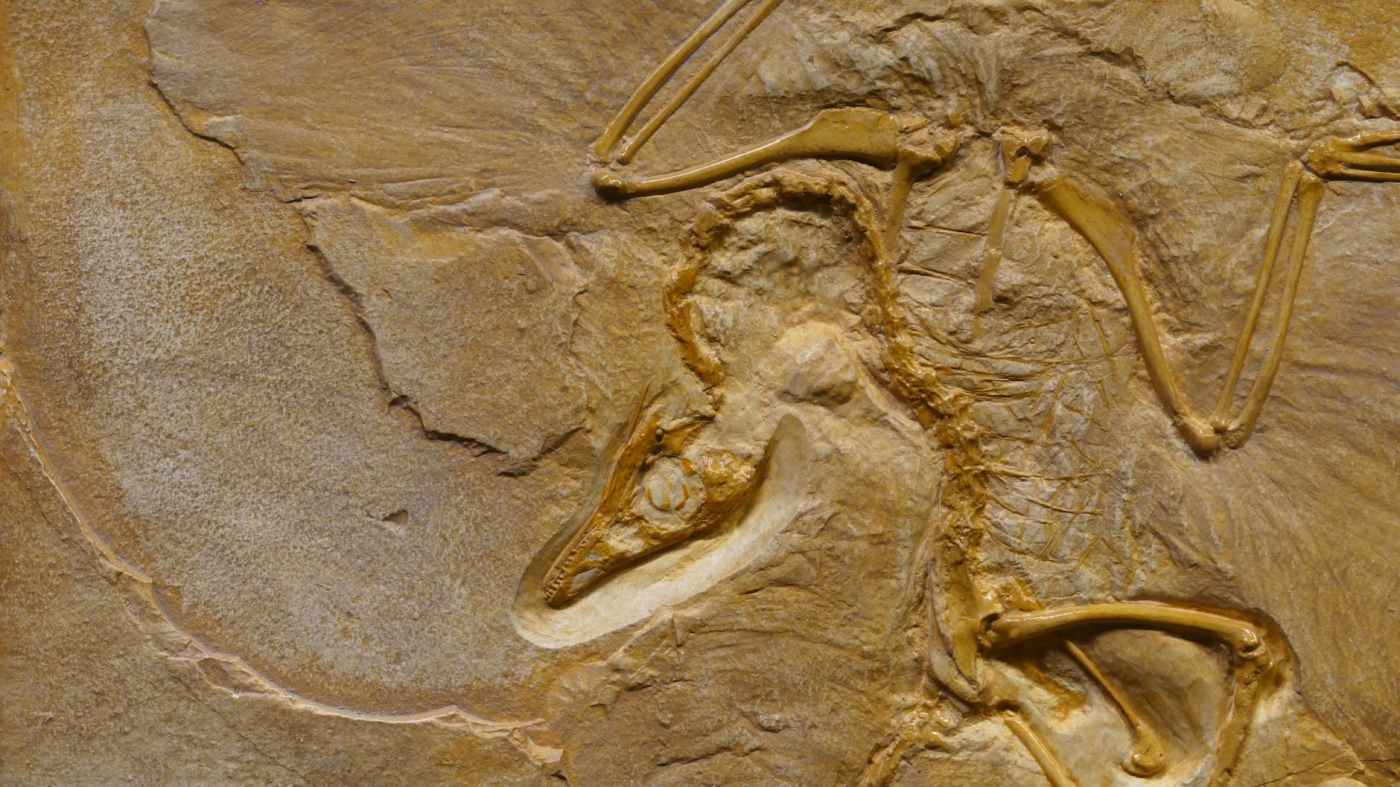
Archaeopteryx, the ancient bird whose fossils were unearthed in the Solnhofen Plattenkalk of Franconia, West Germany, has been a subject of contention for over a century. Was it a transitional form between reptiles and birds, or simply a feathered reptile?
The debate around Archaeopteryx has evolved significantly over the years. At its discovery, it was hailed as a bird so bird-like that its reptilian ancestry was barely hinted at. However, with the passage of time, some evolutionists have come to argue that it was little more than a reptile with feathers.
The Evidence for Archaeopteryx as a Bird
Archaeopteryx exhibits several features that are distinctly avian. It had perching feet, feathers identical to modern birds, and a wing structure consistent with flying birds. Its anatomy did not hinder its ability to fly, making it a strong candidate as a powered flyer.
Challenging the Dinosaur Connection
Despite claims of shared characteristics between Archaeopteryx and coelurosaurian dinosaurs, recent research has consistently pointed towards bird-like features in the anatomy of Archaeopteryx. From its cranium to the quadrate bone in its jaw, evidence suggests a closer affinity to birds than reptiles.
Feathers: A Complex Conundrum
One of the most striking features of Archaeopteryx is its feathers. The development of feathers is vastly different from that of scales, and the transition between the two is a complex and unproven hypothesis. The notion that random mutations led to the evolution of feathers from scales remains a matter of faith rather than empirical evidence.
Neanderthals: Closer to Us Than We Thought?
The story of Neanderthals, our distant relatives, is equally fascinating. Initially viewed as a separate species incapable of modern speech and marked by distinctive physical traits, recent research has challenged these assumptions.
Reevaluating Neanderthal Anatomy
Recent reconstructions and comparisons of Neanderthal remains with modern human specimens have shown that many of their physical traits are not as distinct as once believed. Their cranial traits, for example, have been found in modern human populations, and evidence suggests that Neanderthal brain size was fully Homo, with no essential differences in organization.
Neanderthal Culture and Complexity
Neanderthals were not mere brutes. They practiced deliberate burial rituals, used tools to make other complex tools, and engaged in cultural activities like playing musical instruments. These behaviors indicate a level of cognitive sophistication that aligns more closely with modern humans than with primitive ancestors.
Mitochondrial DNA: A Complicated Puzzle
Recent studies involving mitochondrial DNA have been interpreted as evidence that Neanderthals were a separate species. However, this interpretation is not without controversy. The genetic differences between Neanderthals and modern humans fall within the range of variation seen in modern human populations, making the species distinction less clear-cut.
Conclusion: Unraveling the Mysteries
The debates surrounding Archaeopteryx and Neanderthals continue to be fueled by new discoveries and evolving perspectives. Archaeopteryx’s true identity remains a subject of discussion, while Neanderthals are shedding their image as primitive hominids and emerging as more complex and culturally rich beings.
In the ever-evolving world of paleontology, these enigmatic creatures remind us that the story of life on Earth is a complex web of evolution, adaptation, and mystery. As we unearth more fossils and gather more evidence, the intricate details of our planet’s history continue to come into focus, challenging our understanding of the past and our place in the natural world.
 Conform to Jesus
Leave a comment