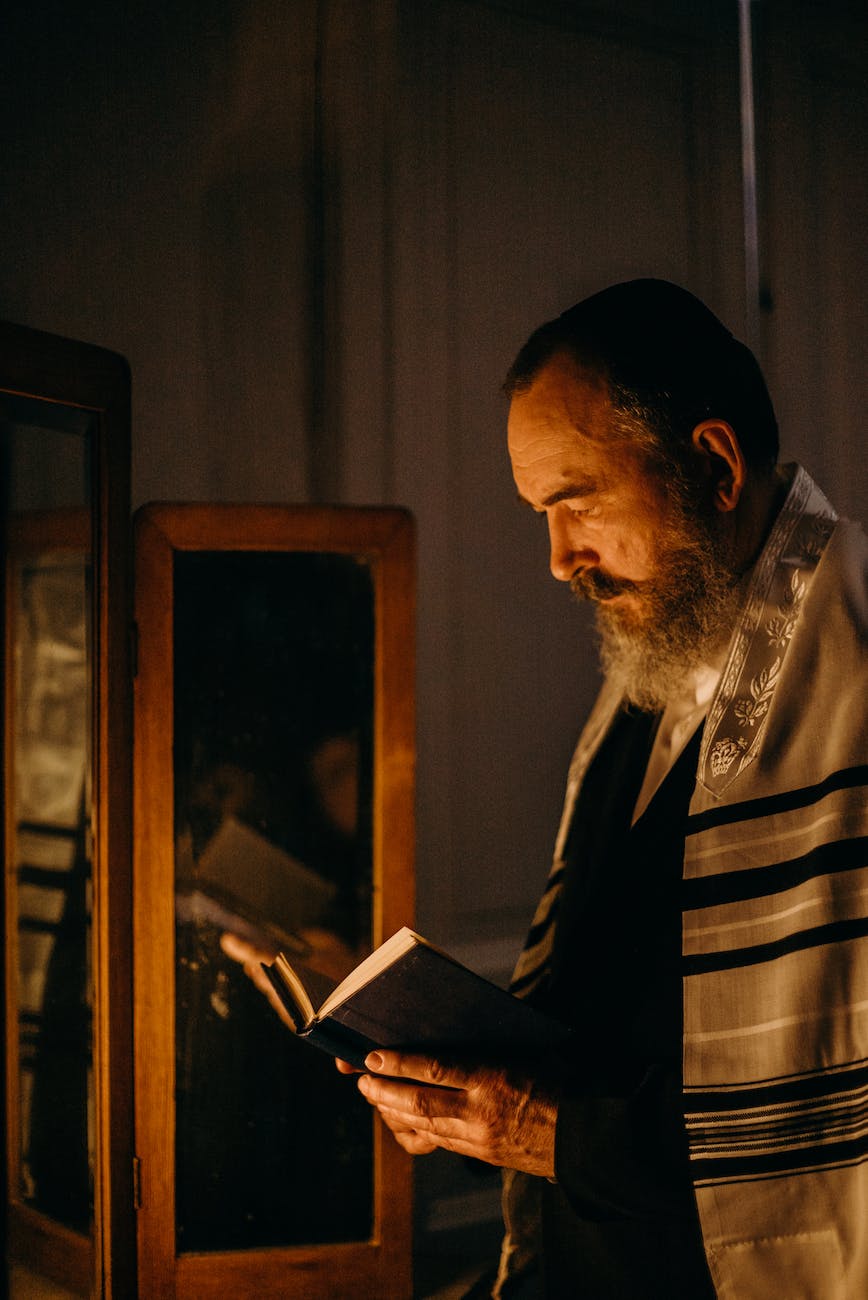
Rosh Hashanah is the Jewish New Year, also known as the “head of the year” in Hebrew. It is a two-day celebration that marks the beginning of the civil year in Judaism and occurs in the late summer or early autumn. Rosh Hashanah is the first of the Jewish High Holy Days, a period called the “Days of Awe,” and it leads to Yom Kippur, the Day of Atonement, while also initiating a series of autumn religious festivals.
Traditionally, Rosh Hashanah is observed on the first day of Tishrei, the seventh month of the Jewish ecclesiastical calendar. Unlike the lunar new year on the first day of Nisan, which is celebrated during the spring Passover month, Rosh Hashanah marks the start of the civil year in Jewish tradition. It is considered the anniversary of the creation of Adam and Eve, symbolizing humanity’s role in God’s world.
During Rosh Hashanah, various customs are observed. One of the central rituals involves sounding the shofar, a hollowed-out ram’s horn, as prescribed in the Torah. This is done to “raise a noise” as mentioned in the Hebrew Bible on Yom Teruah. People also attend synagogue services, where special liturgy about teshuva (repentance) is recited.
Festive meals are enjoyed, and it’s customary to eat symbolic foods like apples dipped in honey, symbolizing the hope for a sweet and prosperous new year. These traditions have deep roots in Jewish history and are recorded in the Talmud.
The Mishnah, an important Jewish text, mentions Rosh Hashanah as the “day of judgment.” In the Talmud, it is explained that on Rosh Hashanah, three books of account are opened. In these books, the fate of the wicked, the righteous, and those in-between are recorded. The righteous are immediately inscribed in the Book of Life and are sealed “to live.” The intermediate group has a ten-day period, until Yom Kippur, to reflect, repent, and become righteous. The wicked, however, are “blotted out of the book of the living forever.”
Some interpretations describe God sitting on a throne during Rosh Hashanah, with books containing the deeds of all people opened for review. Each individual passes before God for an evaluation of their actions.
The prayers and customs during Rosh Hashanah emphasize themes of sovereignty, remembrance, and the sounding of the shofar (a ram’s horn). The blowing of the shofar is a well-known and central ritual during Rosh Hashanah. It serves as a wake-up call, encouraging Jews to mend their ways and repent. The shofar blasts symbolically call out to people, urging them to awaken from their spiritual slumber and remember their Creator.
The Rosh Hashanah prayer service includes special religious poems called piyyutim, which are added to the regular prayers. A unique prayer book called the machzor is used for Rosh Hashanah and Yom Kippur. The Amidah prayer is extended during the service, and the shofar is blown at specific times. The Avinu Malkeinu prayer is recited, except on Shabbat, and Torah readings from Genesis concerning the announcement of Isaac’s birth and the sacrifice of Isaac are included in the synagogue service.
The Mussaf Amidah prayer during Rosh Hashanah is distinctive because it contains nine blessings, including “Malchuyot” (Kingship), “Zichronot” (Remembrance), and “Shofarot” (related to the shofar). Each section includes selected verses from different parts of the Hebrew Bible. The shofar is sounded after the blessing concluding each section during the repetition of the Amidah.
This practice is first recorded in the Mishnah, and it may have been observed even earlier. In some Eastern Ashkenazi congregations, a special white robe called a kittel is worn during daytime Rosh Hashanah prayers, similar to its use on Yom Kippur.
As a Messianic Jew, my Rosh Hashanah celebration at our synagogue is a truly special and spiritually enriching experience. We blend traditional Jewish customs with elements of our Christian faith. The synagogue is adorned with symbols like the shofar, apples, honey, and a beautifully set table for the festive meal. The service includes prayers and liturgy that honor both the Jewish traditions and our belief in Yeshua as the Messiah.
During the shofar blowing, it’s a powerful moment as we reflect on the New Testament’s teachings alongside the historical significance of this ancient instrument. Our prayers often incorporate references to Yeshua’s role as the fulfillment of Messianic prophecies. The sense of unity in our congregation, where both Jewish and Christian elements are embraced, is palpable.
The festive meal is a time of joy, where we partake in traditional foods like apples dipped in honey, symbolizing our hopes for a sweet year ahead. We also engage in meaningful discussions about our faith journey, emphasizing the importance of spiritual renewal and reflection.
In this Messianic Jewish context, Rosh Hashanah becomes a celebration of both our Jewish heritage and our faith in Yeshua as the Messiah, creating a unique and enriching experience that combines the best of both worlds.
 Conform to Jesus
Leave a comment