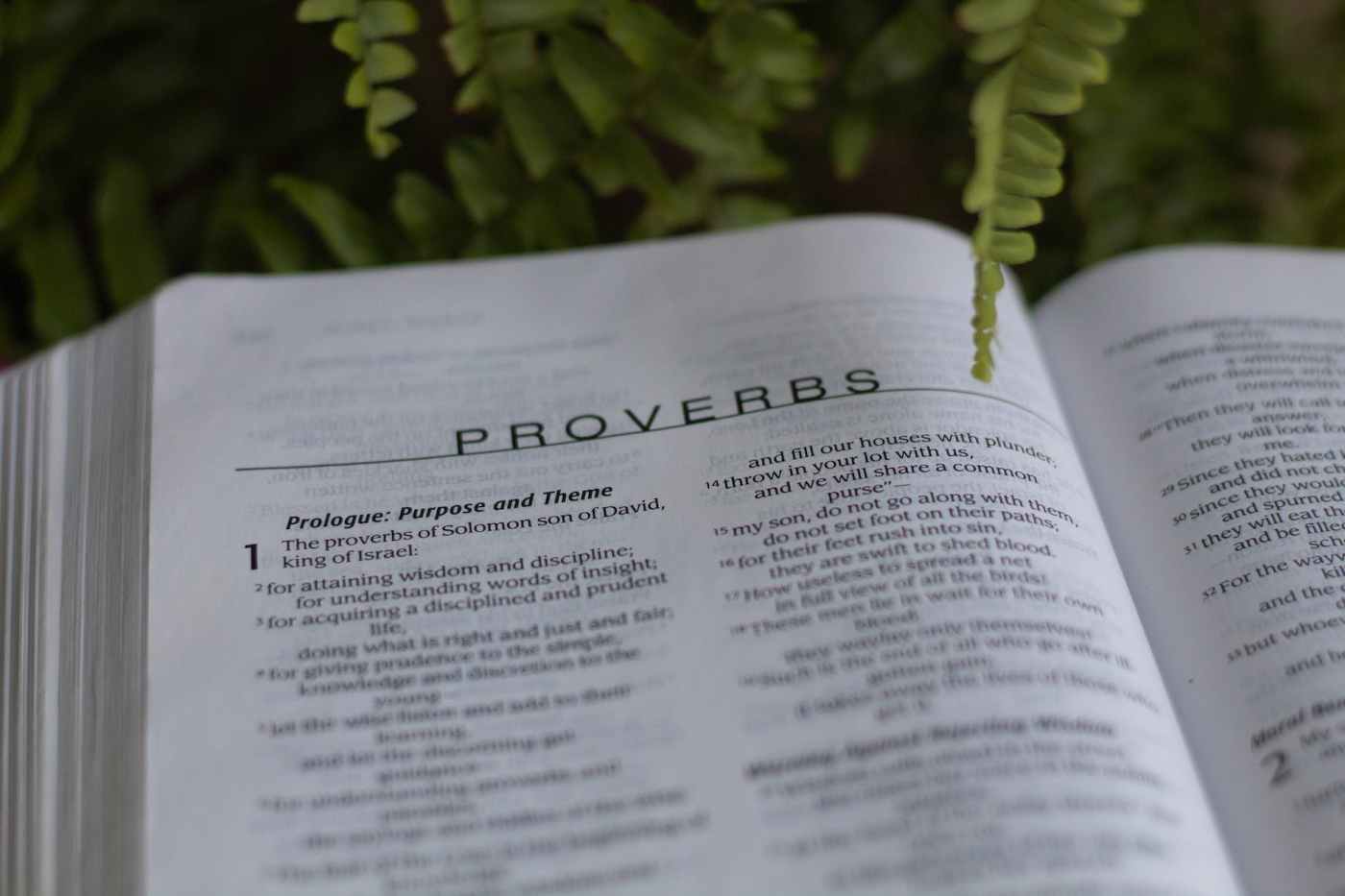
Proverbs 9 continues the collection of wise sayings that’s attributed to the author King Solomon through the inspiration of the Holy Spirit. In this chapter, Solomon contrasts the ways of wisdom and folly, personified as two women. Let’s discuss each verse in detail.
Invitation to Wisdom (verses 1-6)
In Proverbs 9:1-6, wisdom is personified as a wise woman who prepares a feast and invites people to come and partake of it. Furthermore, she sends out maidens to proclaim and invite those who lack understanding and knowledge in order to bring them to the path of wisdom. These maidens also alert the people to leave their foolishness behind in order to gain insight.
In Proverbs 9:1-6, the Hebrew word “temunah” (תְּמוּנָה) is significant. It is translated as “prepared” or “set in order” in most English versions. The significance of this word lies in its portrayal of Wisdom as a wise woman who, “has built her house; she has set up its seven pillars.”
By emphasizing this Hebrew word, the passage conveys the careful, thoughtful, and orderliness of wisdom and how it’s not random but has intention and purpose. This is contrasted with folly, an attribute that is purposeless and chaotic.
For instance, think about an individual who is preparing for a job offer. Instead of simply accepting it, a wise person would analyze the offer, take into consideration the company’s reputation, personal values, and work-life balance.
Moreover, the prospect for the job would seek advice from trusted mentors, conduct their own research on the job potential, and weigh both the benefits and drawbacks to taking the job. This is just one example of how wisdom methodically navigates through decision-making scenarios.
The Choice of the Simple (verses 7-12)
In Proverbs 9:7-12, the Scripture makes a shift from focusing on the wisdom and folly to the response of the listener. This passage emphasizes the concept of humility and teachability, as the wise person appreciates reproof and correction–knowing that it will lead to their spiritual growth.
In contrast, the foolish person doesn’t take heed to correction. Instead, they reject advice, which is the arrogance that leads to their own folly. Furthermore, this Scripture highlights the importance of humility to learn from others as well as the consequences of being prideful and stubborn (Source: Longman III, Tremper. Proverbs. Baker Commentary on the Old Testament Wisdom and Psalms. Grand Rapids, MI: Baker Academic, 2006, p. 195).
In Derek Kidner’s commentary, he highlights the significance of the Hebrew word “ta`am” (תַּ֫עַם), which is translated as “taste” or “discernment.” This is because the writer is emphasizing the importance of having discernment and the ability to make wise choices based on understanding and insight (Kidner, Derek. Proverbs: An Introduction and Commentary. Tyndale Old Testament Commentaries. Downers Grove, IL: InterVarsity Press, 2008, p. 111).
In life, there are many situations where discernment and wisdom are vital for making good decisions. Examples include evaluating a job offer, weighing the pros and cons before making a major purchase, choosing friends or acquaintances, parenting, or when facing a new opportunity or venture. This list could go on forever, but the important point is to use wisdom in all situations.
Wisdom’s Counsel (verses 13-18)
Proverbs 9:13-18 presents a vivid contrast between Wisdom and Folly, personified as women. In this passage, Folly is portrayed as an enticing and seductive woman, calling out to those who lack understanding and inviting them into her house. She sits at the door, calling out to passersby, offering stolen water and bread eaten in secret.
Folly entices with temporary pleasures, but her path leads to destruction, as her guests descend into the depths of Sheol. In contrast, Wisdom’s call is to embrace understanding and knowledge, to leave behind the path of folly and embrace the way of insight. The passage warns against being deceived by the allurements of Folly, emphasizing the importance of choosing wisdom and discernment over the fleeting pleasures of foolishness.
This passage serves as a cautionary reminder to seek true wisdom and understanding, avoiding the seductive traps of folly that may lead to destructive consequences. It highlights the contrast between temporary pleasures and lasting fulfillment found in the pursuit of wisdom.
In Proverbs 9:13-18, an important Hebrew word to emphasize is “raphah” (רָפָה), which is translated as “the depths” or “Sheol” in various English versions. The significance of this word lies in its depiction of the ultimate destination of those who are enticed by Folly and choose to follow her path.
“Sheol” refers to the realm of the dead or the underworld in Hebrew thought. By mentioning Sheol in this passage, the emphasis is placed on the severe consequences and ultimate destruction that await those who yield to the seductive allurements of Folly. It underscores the serious and irreversible nature of the path of foolishness.
This Hebrew word highlights the need for discernment and wisdom to avoid the destructive consequences associated with following Folly. It serves as a stark warning about the perils of making choices based solely on immediate pleasure, as they can lead to spiritual and moral decay, ultimately culminating in eternal separation from God.
 Conform to Jesus
Leave a comment